How to Build a Successful Local SEO Strategy for Service Businesses
For service-based businesses, attracting customers from the right locations is just as important as offering quality services. A plumbing company, cleaning service, HVAC contractor, or home improvement business may provide excellent work but still struggle to appear when nearby customers search online.
This is where a well-planned Local SEO Strategy makes a difference.
Unlike traditional SEO, which may target broader audiences, local SEO focuses on helping businesses become more visible in relevant geographic searches.
However, improving local visibility requires more than adding city names to website pages. It involves website optimization, Google Business Profile management, accurate business information, customer trust, and consistent monitoring.
1. Understand How Local Customers Search
The first step is understanding what potential customers search for when they need your services. For example, someone experiencing a plumbing emergency might search for “emergency plumber near me,” while another customer might search for “water heater repair in Wellington.” These searches indicate different service requirements and geographic intent. Start by researching your primary services alongside relevant cities and neighborhoods. Group similar keywords based on customer needs rather than creating a separate page for every keyword variation. This approach helps you develop a website structure that supports real search behavior.
2. Optimize Your Google Business Profile
Google Business Profile is one of the most important platforms for businesses seeking visibility in Google Maps and local search results.
Make sure your profile accurately represents your business.
Choose the most appropriate primary category, add relevant secondary categories, and provide correct contact information.
Include genuine business photographs, accurate operating hours, and descriptions of your services.
For service-area businesses, configure service areas according to Google’s guidelines.
Avoid creating additional profiles for cities where you do not operate an eligible business location.
A properly maintained profile improves the information available to potential customers, although rankings are never guaranteed.
3. Create Dedicated Service and Location Pages
Your website should clearly explain which services you offer and where those services are available. For example, a plumbing company serving several cities might create dedicated pages for emergency plumbing, drain cleaning, and water heater repair. Location pages can help customers understand service availability in specific areas. Our guide explaining why location page creation matters for SEO discusses the value of location-specific content.
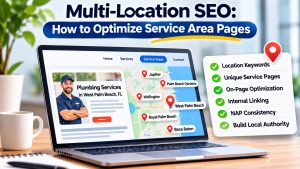
If your business operates across multiple cities, our article on multi-location SEO and service area page optimization provides additional strategies. Avoid creating nearly identical pages that only replace one city name with another. Each page should offer meaningful, locally relevant information.
4. Improve On-Page SEO for Local Services
On-page optimization helps search engines understand the purpose of your service pages. Include relevant service keywords naturally in titles, headings, and page content.
For example, a page targeting drain cleaning in Jupiter might use a title such as:
Drain Cleaning Services in Jupiter, FL
Create a clear H1 heading and organize supporting information under descriptive H2 sections. Include helpful service details, frequently asked questions, and relevant internal links. Our complete guide to on-page SEO explains these optimization practices in greater detail. Avoid excessive keyword repetition or adding unrelated location names.
5. Maintain Consistent Business Information
Accurate business information helps customers identify and contact your company. NAP stands for Name, Address, and Phone Number. Businesses should maintain consistent information across their website, Google Business Profile, and relevant online directories. For companies with multiple legitimate locations, each branch should display its correct information.
Service-area businesses should not invent physical addresses for cities where they only provide services. Our guide to NAP consistency management explains how to maintain reliable business information across online platforms.
6. Build Relevant Local Citations and Backlinks
Local citations are business mentions or listings appearing on external platforms.
Relevant directories, industry associations, and community websites can help customers discover your business.
Prioritize legitimate directories that serve your industry or geographic market.
Local partnerships and editorial mentions may also generate valuable referral opportunities.
Avoid mass submissions to irrelevant directories or purchasing manipulative backlinks.
The goal is to establish a credible online presence rather than simply increase link volume.
7. Encourage Genuine Customer Reviews
Customer reviews help potential clients evaluate service quality and reliability.
After completing a job, businesses can invite customers to share honest feedback.
Respond professionally to both positive and negative reviews.
Avoid purchasing reviews, offering prohibited incentives, or posting fabricated customer experiences.
Authentic feedback can strengthen customer confidence and provide useful insights into your services.
8. Strengthen Local and Brand Authority
Building local visibility also involves developing a recognizable business reputation. Participating in relevant community activities, maintaining professional relationships, and publishing useful local information can support credibility. Understanding local authority for modern SEO helps businesses evaluate their regional online presence. Similarly, learning what brand authority is and how to improve it can support broader brand development. Neither brand mentions nor local citations guarantee rankings, but genuine credibility benefits customer relationships.
9. Monitor Local SEO Performance
Local SEO requires regular monitoring and improvement.
Use Google Search Console to evaluate impressions, clicks, and relevant search queries.
Google Business Profile performance data can provide additional insights into customer interactions.
Track important service and location pages separately to identify opportunities for improvement.
Review declining pages, outdated information, and technical issues before making unnecessary changes.
10. Develop a Long-Term Local SEO Plan
Local SEO is rarely a one-time activity. Businesses should periodically review website content, update business information, monitor customer feedback, and improve important service pages.
A practical monthly plan might include content improvements, citation checks, technical reviews, and performance reporting. The appropriate activities depend on business size, competition, and available resources.
Businesses seeking professional assistance can explore the GuruGiri Fiverr Agency Profile to discuss local SEO and website optimization requirements.
Final Thoughts
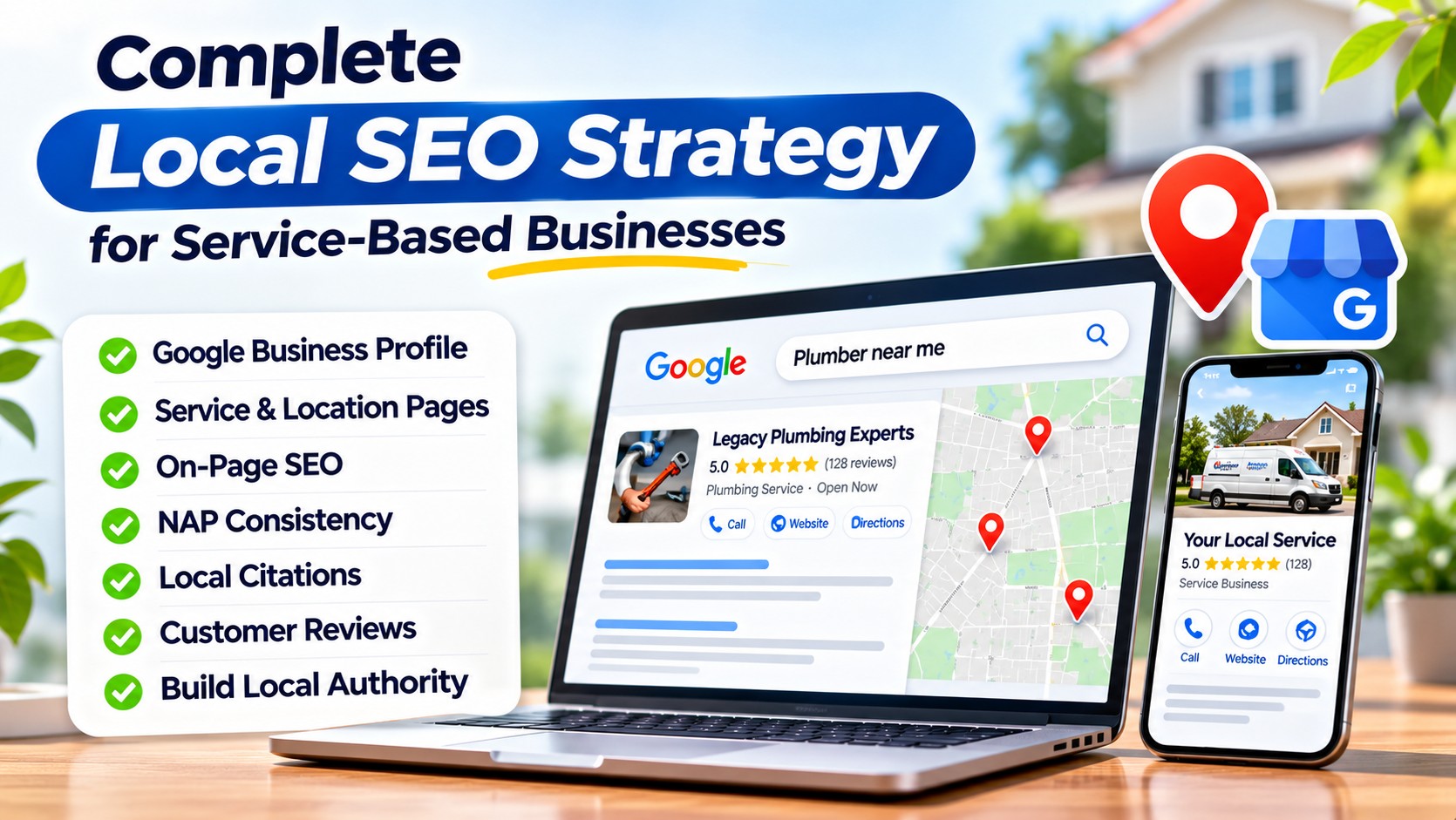
A successful Local SEO Strategy combines accurate business information, useful website content, relevant location pages, and genuine customer trust.
Start by understanding local search intent, optimizing your Google Business Profile, and improving important service pages. Then strengthen your online presence through relevant citations, customer reviews, and consistent performance monitoring. For service-based businesses, sustainable local SEO is about helping the right customers find accurate information when they need it most.